Wines for a good cause

A few years ago, I was introduced to a wine, Curvature, while working in a high end steakhouse. I sold the wine because I loved it. A guest took my suggestion and ordered it. I bring the wine out, he tastes it, thinks it’s great (bonus points for recommending a wine he’s never heard of) and starts to ask me questions. As I discuss the wine with him, I happen to look at the back label and see Curvature donates a portion of the proceeds to breast cancer charities. Awesome!! Now I love a great wine from Napa Valley that wows a guest who thinks he only likes big name producers and  it gives back.  It’s like multitasking! 

OneHope also gives back.  They donate half of their proceeds to charity! Each varietal is associated with a different charity. For example, Sauvignon Blanc helps save the planet. The California Zinfandel supports the troops. Cabernet Sauvignon donates to autism research and Chardonnay to breast cancer. 

Ehlers Estate donates 100% of their proceeds to cardiovascular research. They also use organic and biodynamic growing practices. Ehlers wines are beautiful and truly good for your heart. 

Lookout Ridge donates a wheelchair to a needy individual with every bottle sold. Their wines are about $100 per bottle which means they give more to charity than they make. That’s pretty impressive. 

I like to look for these wines as I peruse the aisle of a wine store or the pages of a wine list. Some are more expensive than others. Some are better than others. But it always feels good to give to a great cause…..and get to enjoy a glass of wine. 

Cheers!

J Mac
Wines for a good cause

Beautiful Bubbles

Champagne and sparkling wine is NOT just for special occasions!!  While obviously this is my opinion, it should be a fact.  It can be enjoyed in many ways.  With brunch as a mimosa, with lunch because it makes you smile, with dinner to accompany your first course or throughout your meal.  Or while you are more than a little hungover in Vegas and you mix it with redbull as a morning beverage…..yup, that really happened. 

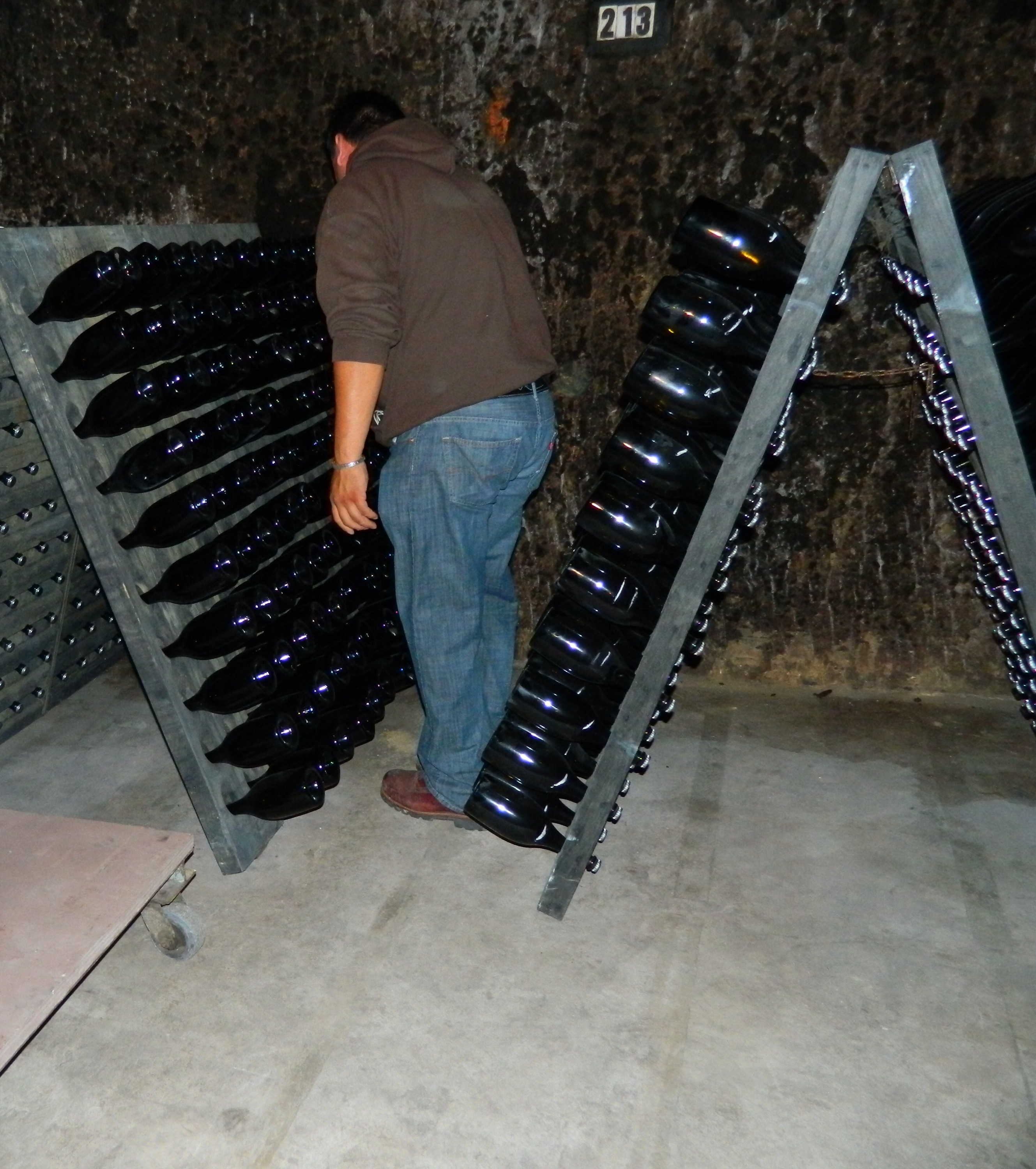
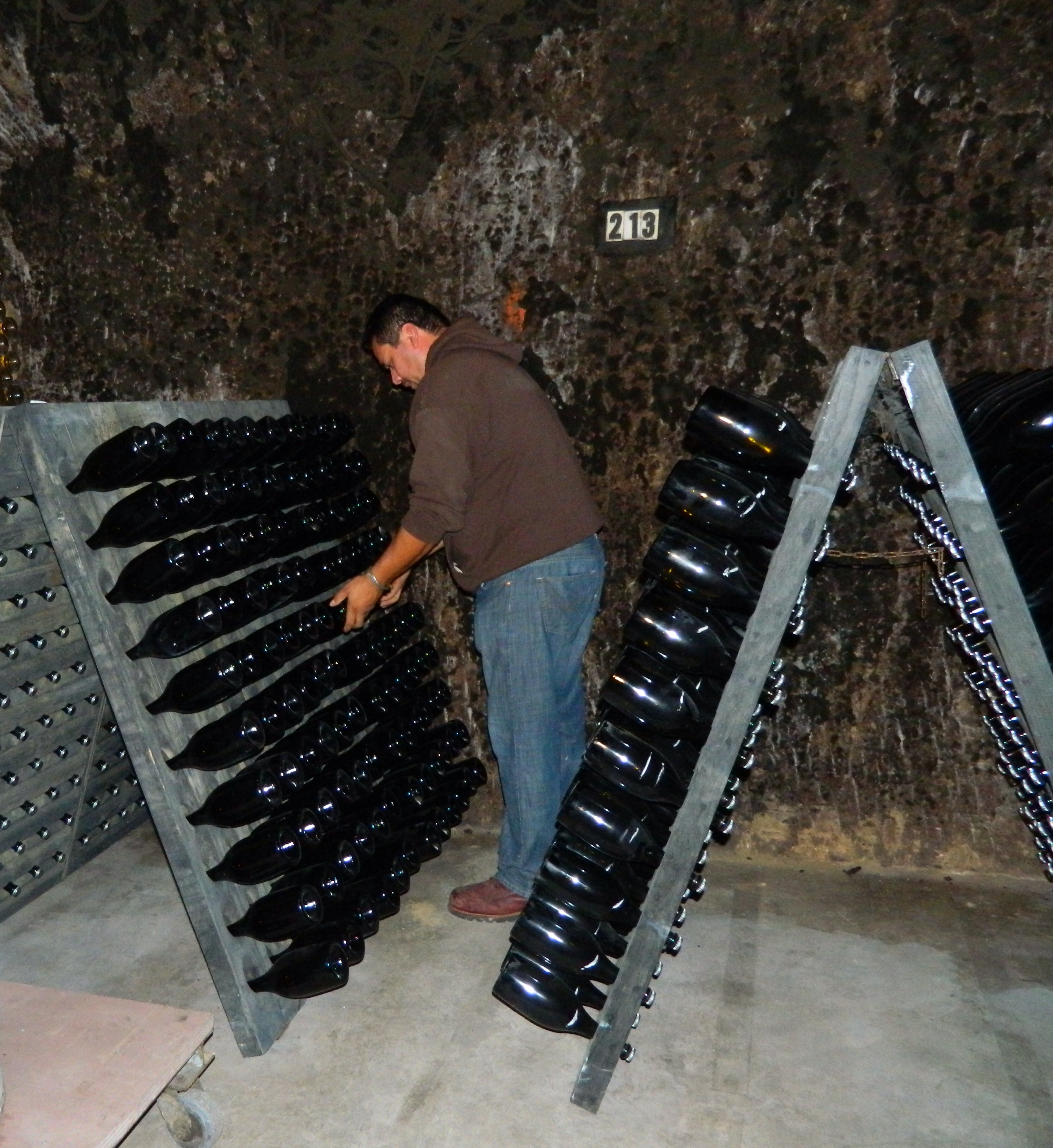
I had an experience while on a cellar tour at a champagne house.  The woman directing us, telling us the incredible history, story and wine making techniques was continually interrupted by four young women who just could not seem to understand how champagne is made.  I was getting super annoyed and then it dawned on me! Not everyone is a wine geek. Not everyone reads books on wine. Most people probably don’t care about words like riddling.  So here is a very simple explanation of how champagne is made. 

Champagne can only be made in the champagne region of France. Every other wine with bubbles is called sparkling. There are three grapes that can be blended, or not, to make champagne: Chardonnay, Pinot Noir, and Pinot Meunière.  I am going to just discuss champagne production. 

Step 1: Grapes are harvested and brought to the winery. 

Step 2: Grapes are pressed.

Step 3: Grape juice goes through the first fermentation.  This will turn the grapes into a high acid, still wine without bubbles. 

Step 4: Blending the still wines that will create the base wine of the champagne. 

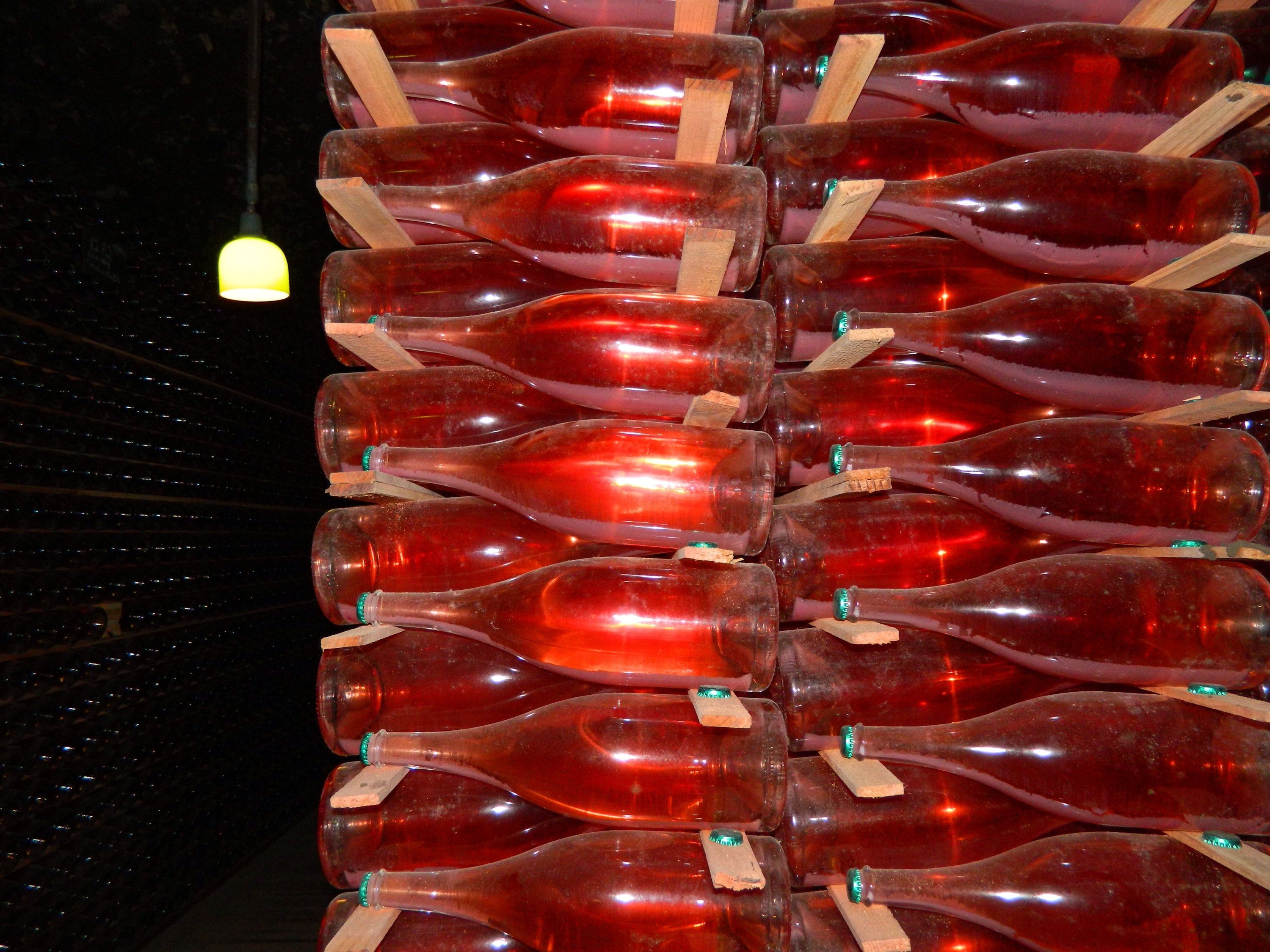
Step 5: The base wine, sugar and yeast are put into a bottle and topped with a crown cap, it looks just like a beer cap.  Bottles are laid on their side and the second fermentation begins, producing alcohol and carbon dioxide (the bubbles). 

Step 6: Aging, which can last a minimum of 15 months.  During this time, the wine rests on the now dead yeast cells.

Step 7: Riddling.  This step pushes the dead yeast cells to the neck of the bottle. 

Step 8: The neck of the bottle is quickly frozen in an ice and salt bath.  The crown cap is removed and the pressure of the carbon dioxide pushes out the frozen plug of dead yeast cells. 

Step 9: Dosage.  A mixture of wine and sugar is added to top off the bottle and adjust sweetness.

Step 10: Cork is inserted and a wire cage is placed on the bottle to ensure that the cork doesn’t shoot out. 

And that’s it! Voila! Now we have champagne!  Always use caution when opening champagne.  If not done correctly, you run the risk of the pressure building up and having the champagne overflow and losing some precious drops of this perfect bubbly beverage. 

I was once given great advice: Tiny bubbles, little troubles.  As in the headache you’ll have the next day. 

Cheers!

J Mac

Riddling


Beautiful Bubbles